If conversations seem less clear than they once did, your inner ear may be part of the story. Many forms of hearing loss begin when tiny sensory structures become damaged and can no longer send sound information to the brain as effectively.
Understanding the Inner Ear
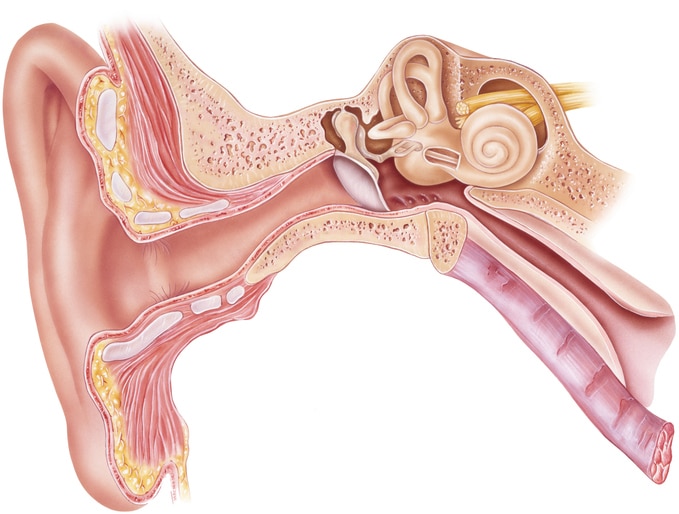
The cochlea is tiny, yet it handles an enormous amount of information every day. Inside are thousands of sensory hair cells that react to sound waves. According to the National Institute on Deafness and Other Communication Disorders, these cells help transform sound into signals that travel along the auditory nerve to the brain. When enough of those tiny cells get damaged or die, you will have measurable hearing loss.
After hearing damage, sounds may become:
- Distorted
- Less crisp
- Harder to understand in background noise
- More difficult to separate from competing sounds
Mild hearing loss will likely feel more like a clarity problem than a loss of speech. Conversations are often harder because speech contains subtle sounds that damaged inner ear cells may no longer process effectively. Background noise can further reduce clarity, making speech understanding especially difficult.
Causes of Inner Ear Hearing Loss
Age remains among the most common factors of permanent hearing loss. Age-related hearing loss develops as hearing structures gradually change over time. Noise exposure, genetics, certain illnesses and some medications are also common causes. Not all causes of inner ear hearing loss are preventable, but limiting your noise exposure is one of the best ways to lower your risk. Set a volume limit on your phone, reduce listening time and wear earplugs when you go to concerts at Plant Riverside District.
Hearing Testing
A hearing test will identify the severity of your hearing loss and which frequencies your ears struggle to pick up. We’ll use the results to find the best treatment path forward to get you back to clearer communication as soon as possible.
If you’ve started noticing changes in conversations, television volume or everyday listening, call Audiology and Hearing Aid Services today to schedule your hearing test.
Sources
National Institute on Deafness and Other Communication Disorders. “How Do We Hear?” https://www.nidcd.nih.gov/health/how-do-we-hear
National Institute on Deafness and Other Communication Disorders. “Age-Related Hearing Loss (Presbycusis).” https://www.nidcd.nih.gov/health/age-related-hearing-loss