A new year is a natural time to rethink everyday habits. Many resolutions center on eating better, moving more or managing stress, but one crucial area often goes unnoticed: protecting your hearing.
From streaming music and podcasts to phone calls and virtual meetings, it’s easy to spend much of your day wearing headphones. But that amount of headphone usage doesn’t come without a cost. The World Health Organization (WHO) estimates that 1.1 billion teenagers and young adults are at risk of hearing loss due to the unsafe use of personal audio devices, such as smartphones, and exposure to damaging noise levels at nightclubs and concert venues. While you can’t control the volume at nightclubs and concerts, aside from wearing earplugs, you can significantly reduce your risk of headphone-related hearing loss.
Watch the Volume
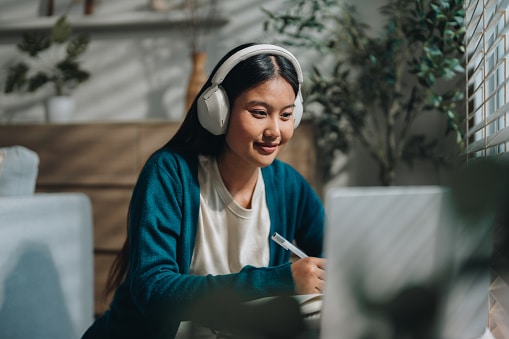
It’s easy to raise the volume on your smartphone higher than is safe without even realizing it. Understanding how loud is too loud, and how long you can safely listen is crucial.
The louder something is, the less time it takes to damage your ears. You can listen to sound at 80 decibels (dB) for about 40 hours a week without damage, but when the sound reaches 100 dB, that safe listening time drops to only 20 minutes.
A 2018 study found that a smartphone’s volume can reach upwards of 118 dB, depending on the brand. Taking steps to prevent the volume from getting that high is crucial.
Most smartphones now include headphone safety features that alert you when sound levels get too high. Lowering the maximum volume setting helps prevent accidental overexposure, particularly in noisy environments, like busy mornings at Foxy Loxy Café, where you might be inclined to raise the volume.
A helpful rule of thumb is the 60/60 guideline: listen at no more than 60% volume for no longer than 60 minutes at a time.
Choose the Right Headphones
The type of headphones you use also matters. Common options include:
- Over-ear headphones
- On-ear headphones
- In-ear headphones
- Earbuds
Different styles of headphones block outside noise to varying degrees. Over-ear headphones provide the most sound isolation, while earbuds allow more external noise to leak in. Choosing over-ear headphones with built-in noise-cancellation can help reduce background sound, making it less tempting to turn the volume up to unsafe levels.
Make 2026 the year you listen safely. If you have questions about hearing loss prevention or testing, contact Audiology and Hearing Aid Services today to schedule an appointment with one of our specialists.